🌸 Menopause Weight Gain: Why It Happens in Midlife and What Actually Works
Introduction
If you’re experiencing menopause weight gain and feel like your body has suddenly changed, you’re not alone — and you’re not doing anything wrong.
Many women in their 40s and beyond notice:
Increased fat gain, particularly around the midsection
Reduced energy levels
Loss of strength and muscle tone
A growing sense that previous approaches no longer work
This is not a failure of discipline. It is a shift in your physiology — and understanding that is the first step toward achieving sustainable fat loss in midlife.
Why Menopause Weight Gain Happens
During perimenopause and menopause, hormonal changes — particularly a decline in oestrogen — significantly impact how your body regulates fat storage, muscle mass, and energy balance.
These changes can lead to:
Increased abdominal fat storage due to altered fat distribution
Reduced muscle mass, which lowers metabolic rate
Changes in insulin sensitivity and appetite regulation
Higher levels of stress hormones, particularly cortisol
At the same time, lifestyle factors such as increased responsibilities, stress, and reduced recovery capacity make extreme dieting or rigid fitness routines both impractical and ineffective.
Why Traditional Weight Loss Approaches Stop Working
A common response to menopause weight gain is to eat less and exercise more — often increasing cardio while reducing calorie intake.
While this may have worked in earlier years, in midlife it can lead to:
Further loss of lean muscle mass
Increased fatigue and reduced recovery
Hormonal disruption and elevated stress levels
A slower metabolism over time
This creates a cycle of effort without results — leaving many women feeling frustrated and stuck.
What Actually Works for Fat Loss in Midlife
A more effective approach to menopause fat loss is not about doing more — but doing what is appropriate for your body at this stage.
1. Prioritising Protein and Structured Nutrition
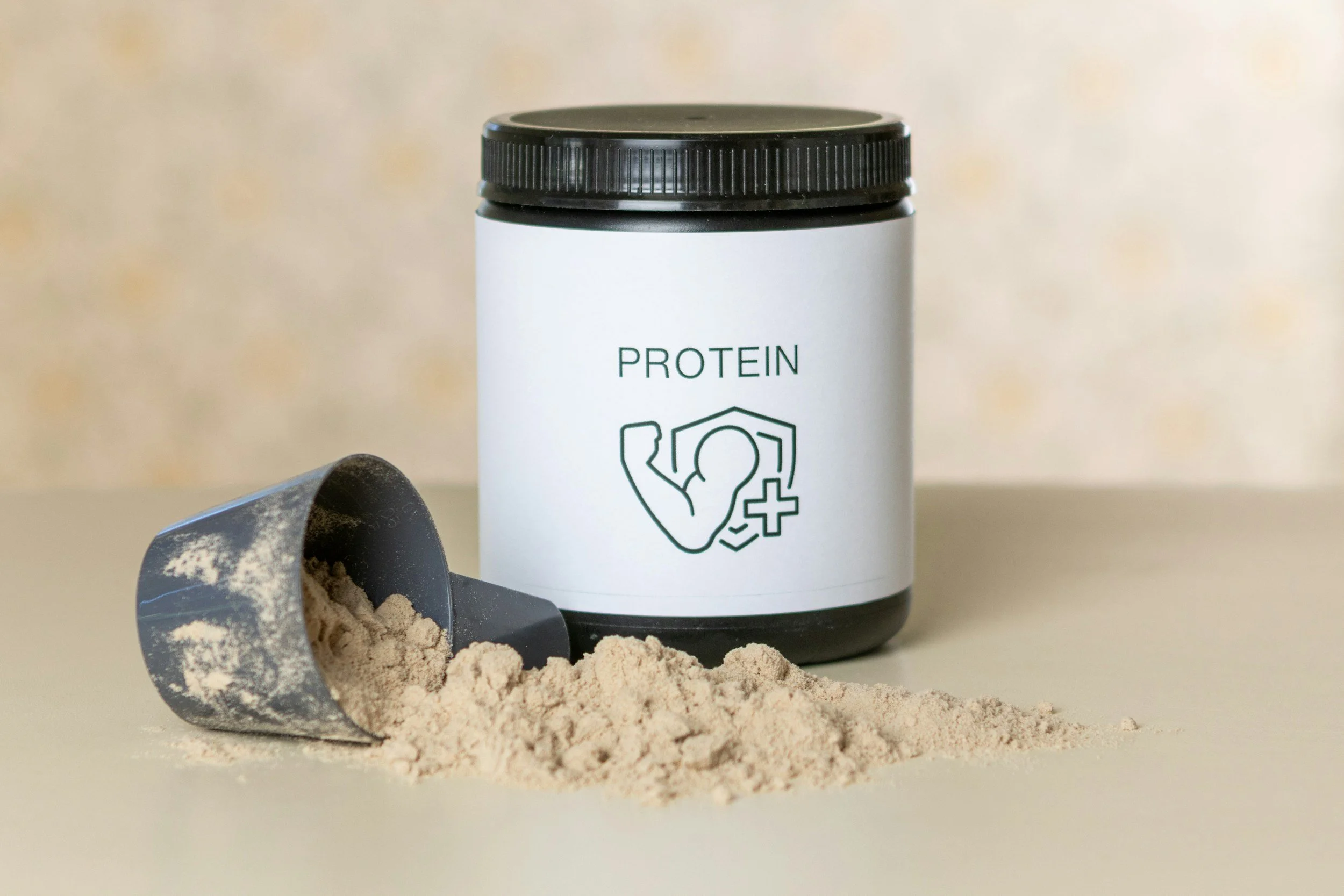
Protein becomes increasingly important in midlife for maintaining muscle mass, supporting metabolism, and managing appetite.
A structured approach to nutrition should include:
Adequate daily protein intake
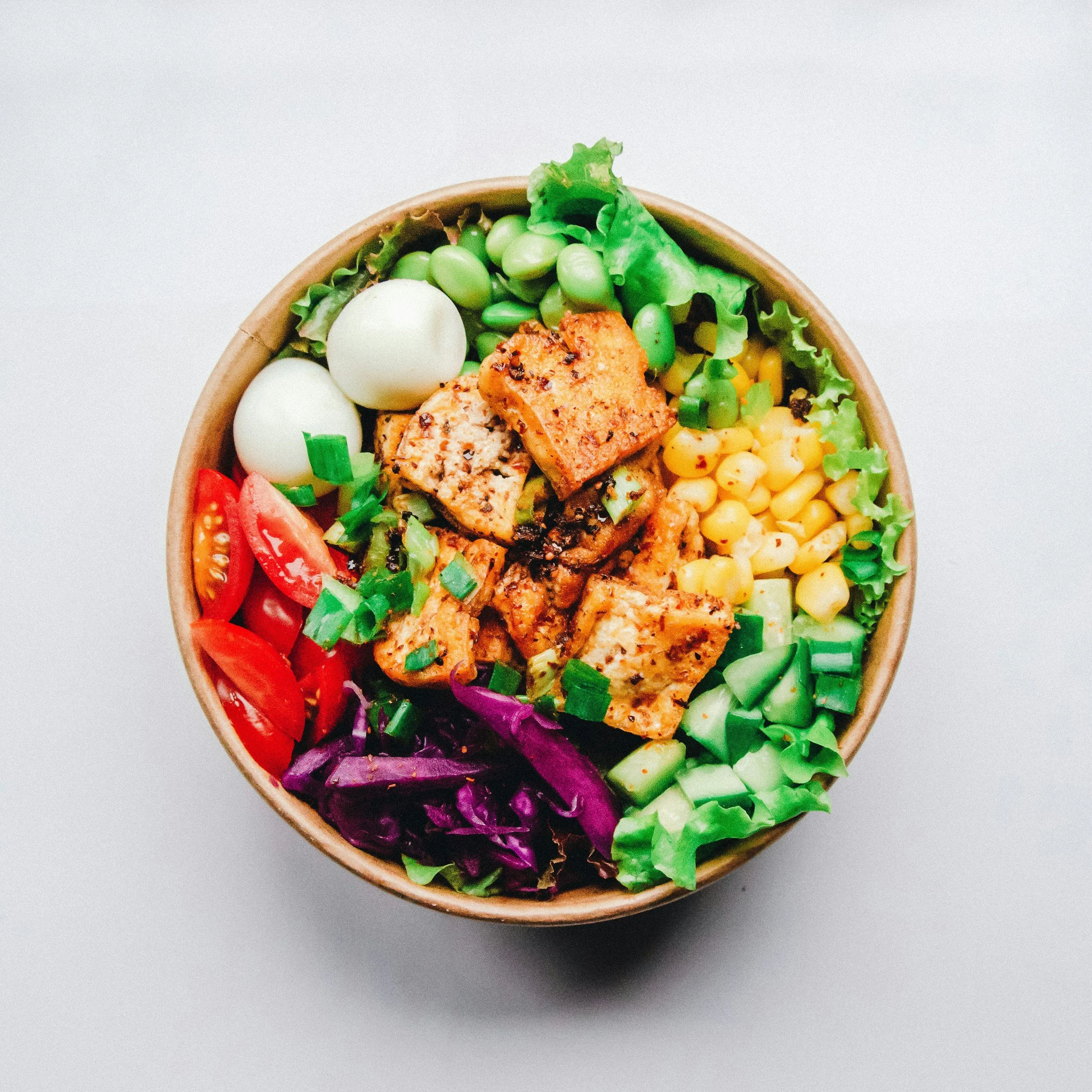
Balanced meals to support energy and satiety
Consistency rather than restriction
Rather than following rigid meal plans, the focus should be on developing a sustainable way of eating that supports both fat loss and long-term health.
2. Strength Training as a Foundation
Strength training is one of the most effective tools for improving body composition during menopause.
It supports:
Muscle preservation and growth
Increased metabolic rate
Improved strength and confidence
Long-term physical resilience
In contrast, excessive cardio without resistance training can contribute to muscle loss and hinder progress.
3. Managing Stress and Recovery
Midlife places greater demands on your nervous system. Chronic stress and poor recovery can significantly impact fat loss.
Key considerations include:
Sleep quality and consistency
Managing stress levels
Avoiding overly aggressive training or dieting
A sustainable approach accounts for your overall lifestyle — not just calories and workouts.
4. Consistency Over Intensity
Perhaps the most overlooked factor in menopause fat loss is consistency.
Short-term intensity often leads to burnout.
Long-term consistency creates results.
This means:
Following a structured but flexible plan
Building habits that fit your life
Removing the “all or nothing” mindset
A More Intelligent Approach to Midlife Fat Loss
Menopause requires a more refined and informed approach to health and fitness.
Rather than repeating the same strategies that no longer work, the focus should shift toward:
Supporting your body through change
Building strength and resilience
Creating sustainable, realistic habits
This is not about starting over — it’s about moving forward with a strategy that is aligned with your current physiology and lifestyle.
Conclusion
Menopause weight gain is common, but it is not inevitable — and it is not permanent.
With the right approach, it is entirely possible to lose body fat, rebuild strength, and feel confident in your body again.
The key is moving away from extremes and toward a more intelligent, sustainable way of doing things.
If you’re looking for personalised support with menopause weight gain and midlife fat loss, you can learn more about my coaching services or book a consultation to discuss the best approach for you.